About Me

My photo
Welcome to flexitarian cooking. A fusion of global flavors with lots of plants, some seafood and a bit of meat now and again.


Showing posts with label Korean. Show all posts

Thursday, March 9, 2017

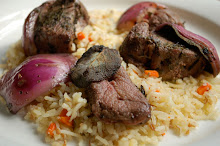
Grilled Peanut Gochujang Beef Ribs

Love gochujang Korean chili bean paste.  Love Korean BBQ.  Love peanut butter.  Love beef short ribs.  What's not to love about this dish?!
1-1/4 lb boneless beef short ribs
1/3 lb fresh buckwheat udon noodles
1 Tbsp sesame oil

Sauce:
1/4 cup peanut butter
1/4 cup rice vinegar
2 Tbsp gochujang Korean chili bean paste
2 Tbsp sesame oil
1 Tbsp soy sauce

Heat a grill to high. Whisk together the sauce ingredients in a small saucepan.
Heat through until just bubbling, and then turn down to the lowest simmer.

Season the short ribs generously with salt and pepper.
Grill the ribs until they reach an internal temperature of 130F for medium rare. Turn several times while grilling. Remove from grill and keep warm under aluminum foil. Let rest 3-5 minutes.

Meanwhile, as the ribs cook, bring 2 quarts of water to a boil in a medium pot. Salt generously. Add the noodles and cook for about 3-5 minutes, only just until they are al dente. Drain and toss with sesame oil.

Slice ribs thickly. Divide noodles among four plates. Serve ribs over noodles, dressed with the peanut gochujang sauce, next to your favorite veggies.

Serves 4.

Cook’s Note: I served these gorgeous boneless ribs (you could use on-the-bone just as well) with a stir fry of broccoli, cabbage, red radish and onion.
Stir fry with a dash of soy sauce and fish sauce while the water boils and the ribs grill.

Tuesday, November 1, 2016

Korean Noodles

Shrimp, Asparagus, Egg

Although cabbage is ubiquitous in Asian cooking, I like to substitute Brussels sprouts because I love them, especially cooked quickly.  This preparation assembles Korean flavors in a noodle dish fortified with shrimp and egg.  Thinly sliced egg omelet is a common accoutrement in much of Asian cooking.
1 lb lean pork, cubed, 1/2-inch

Marinade:
1 Tbsp soy sauce
1 Tbsp sesame oil
1 Tbsp seasoned rice vinegar

2 eggs, scrambled

1 sweet onion, peeled and finely sliced
1 bunch asparagus, trimmed and cut 1/2-inch slices, 2-inches of tips reserved
1 doz Brussels sprouts, base cut off, sliced in thirds
2 cloves garlic, peeled and minced
1/2-inch fresh ginger, peeled and minced
1/2 lb fine fresh lo-mein noodles
1 doz shrimp, peeld
juice of half a lime
1 Tbsp fresh mint, minced

Sauce:
2 Tbsp gochujang
1 Tbsp soy sauce
1 Tbsp fish sauce
1 Tbsp sesame oil
1/4 cup water

Whisk marinade together in a bowl and add the pork. Allow to marinate at least an hour.
Meanwhile, whisk eggs together with a dash of salt and pepper to taste. Add a dash of canola oil to a non-stick skillet and cook the eggs to make a thin omelet. Use a rubber spatula to lift and pull the eggs to the center as they cook. Add the garlic and ginger and cook another 2-3 minutes.
Transfer the omelet to a cutting board and cover to keep warm.

Sauté the Brussels sprouts, onion and asparagus in a dash of canola oil. Cook about 5 minutes, until crop-tender. Set aside.
Heat another dash canola oil in the pan and brown the pork.
When the pork is cooked through, add the veggies and the lo mien noodles to the pork. Whisk together the sauce ingredients and add to the pork and heat through.

In another pan, sauté the shrimp for about 1-2 minutes per side over high heat, until they are pink and just cooked through. Sprinkle with juice of half a lime.
Gently fold noodles together with the pork, shrimp and veggies.

Heat asparagus tips in a glass dish with a splash of water in the microwave for 1-2 minutes. Drain. Slice the omelet into strips.  Turn hot noodles into a serving dish and top with shrimp, omelet, asparagus tips and mint.

Serves 4-6.


Sunday, October 9, 2016

Korean Beef Ribs With Broccoli

This is reminiscent of Korean Bulgogi grill where beef trips are grilled fast and eaten with an array of veggies and savories.  Thin cut flanked beef ribs marinate quickly and cook quickly too.

Throw this in the center of the table and toss everyone some chop sticks and have at it.  In Korea everything is often shared from the center of the table and there's a unique feeling of community you get from that.

Share the love, and heat up the grill!
4 beef asian Flanken cut ribs
2 broccoli crowns, cut into flowerets, about 4 cups
3 large portobello caps, halved and sliced
3 dried porchini mushrooms
1/2 tsp dried crushed red pepper flakes

Marinade:
1/4 cup gochujang bean paste
1 Tbsp sesame oil
1 Tbsp soy sauce
1 Tbsp Asian fish sauce
1/4 cup pale dry sherry
2 cloves garlic, minced
1/2-inch fresh ginger, peeled and minced

Whisk together the marinade ingredients in a casserole. Remove 2 tablespoons for later use.
Bring 1 cup water to a boil in a 2 cup measuring cup in the microwave. Place dried mushrooms in the hot water and allow to rehydrate, dunking them every once in a while. This will take a good 10-15 minutes. When soft, drain and slice mushrooms. Save the mushroom water for soup!

Meanwhile, lay the ribs in the marinade.
Turn over several times to coat well.
Allow to marinate at least an hour or overnight in the refrigerator. Bring ribs back to room temperature before ready to cook.

Combine the mushrooms and sauté in a large skillet, in a dash of olive oil and the red pepper flakes. Add the broccoli and continue to sauté for about 5 more minutes, until the broccoli is just crisp tender.
Season lightly with salt. Set aside and keep warm until the ribs are cooked.

While the broccoli cooks, assure the grill is heated to HI.

Mix reserved marinade with 1 tablespoon water in a small bowl. Grill ribs over high heat, basting with reserved marinade glaze.
Allow ribs to char along the edges a bit. Flanken cut ribs are thin and should cook in about 10 minutes.

Lay ribs out on a sheet pan or serving platter. Scatter broccoli and mushrooms on top and serve.

Serves 4.

Monday, September 5, 2016

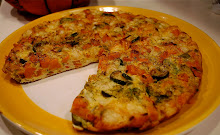
Korean Pajeon Seafood Pancakes

Who said pancakes have to be sweet?  After all, the French fill their crepes equally with sweet fruit jams as they would a creamy savory shrimp filling.

These pancakes made in Korea are rich and savory, and filled with seafood, cooked right into the batter.  They are garnished with green onions and sesame seeds and accented with a spicy, tangy, and just a bit sweet, gochujang chili paste sauce.  Something with such flavor and texture contrasts I would not have expected from a mere pancake.
Pancake mix:
2 cups white flour
1/3 cup cornstarch
2 cloves garlic, minced through a press
2 Tbsp minced fresh dill
2 green onions, sliced
1/4 cup grated carrot
1 tsp ground coriander
1 tsp salt
1 egg
2 cups milk
1 Tbsp fish sauce
2 Tbsp olive oil

1 lb mixed shellfish (I used Trader Joe’s shrimp, scallops and calamari)

Dipping Sauce:
1 Tbsp gochujang paste
1/4 cup soy sauce
1/4 cup seasoned rice vinegar
1/4 cup water
1 tsp sesame oil
1 Tbsp sugar
1 Tbsp molasses

2 green onions, sliced and toasted sesame seeds for garnish

Whisk together the dipping sauce.

Mix together the pancake mix ingredients in a large mixing bowl.
Stir in the seafood.
Heat a tablespoon olive oil in a non-stick skillet until just about smoking.

Pour in about a quarter of the pancake mix and allow to brown nicely on the first side. Flip and continue cooking until slightly browned on the second side.
Set aside and keep warm as you finish the other three pancakes. If you are up to the challenge, you can cook two at a time!

Garnish pancakes with sliced green onions and toasted sesame seeds. Serve with dipping sauce on the side.

Serves 4.


Monday, August 22, 2016

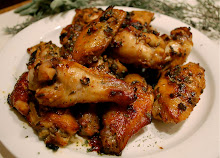
Korean BBQ Wings

Brining wings adds a wonderful depth - plan ahead and enjoy.
14 whole wings, about 3 lbs

Brine:
4 cups water
1/4 cup Kosher salt
1/3 cup sugar - I used brown Turbinado sugar

1 tsp red pepper flakes
4 cloves garlic
palmful mint

Gochujang Sauce:
1 Tbsp gochujang chili paste
1/4 cup soy sauce
1/4 cup seasoned rice vinegar
1/4 cup water
1 tsp sesame oil
1 Tbsp sugar
1 Tbsp molasses

fresh mint leaves and toasted sesame seeds for garnish

Mix brine ingredients in a large bowl. Pulse garlic, pepper and mint in small food processor until minced. Add to brine. Add wings to brine and cover well. Allow to marinate in the refrigerator at least 24 hours.  Whisk together the gochujang sauce.

When ready to cook, remove wings from brine onto a rack on a rimmed baking sheet.

Heat grill to high. When hot, turn right side of grill off. Lay wings on right side of and cover grill. Cook for about 15 minutes.
Now turn on right side of grill to medium and flip wings. Grill wings for about another 10-15 minutes, until cooked through.

Pour gochujang sauce into a large bowl and toss the wings to coat with the sauce.
Place wings on a serving platter and garnish with mint leaves and toasted sesame seeds.

Makes 14 whole wings.

Thursday, March 31, 2016

Andouille Kimchi Shellfish Ramen Noodles

Recently, I stumbled upon a whole row of ramen noodles at an international market - I never knew there were so many variations - fantastic!  I bought kimchi ramen noodles and some fresh kimchi in a jar and made a noodle dish worthy of a noodle stand in Soeul - in minutes.
1/4 lb Andouille or chorizo sausage, thinly sliced
2 packs Ramen noodles, chicken, seafood, or kimchi seasoned
4 cups water
1/2 lb frozen mixed shellfish, thawed (I used Trader Joe’s frozen scallops, shrimp and calamari)
1/4 cup frozen peas
1/4 cup frozen corn
1/2 cup favorite kimchi, slightly chopped
palmful fresh cilantro
dash toasted sesame seeds

Add the sausage slices to a medium soup pot with a dash of olive oil. Brown the sausage for about 3-5 minutes. Slightly break up the ramen noodle cakes. Add the water to the soup pot and bring to a boil Add the ramen noodles and cook for about 2 minutes. Add the flavor packet and all the remaining ingredients.
Bring to a boil and cook just until the noodles are al dent.

Transfer to two bowls. Garnish with cilantro and sesame seeds. Serves 2.

Sunday, February 7, 2016

Chili Jam Korean Pork Ribs

Load these up in front of the game and watch some chowin' go down!
2-1/2 lb pork spare rib, cross cut

Chili jam glaze:
1 Tbsp Trader Joe’s Chili jam
2 Tbsp Gochujang
1/4 cup hoisin sauce
2 Tbsp seasoned rice vinegar
2 Tbsp Trader Joe’s Sambal Matah

Whisk together the chili jam glaze ingredients in a small bowl.
Slather half the chili jam mix onto ribs and allow ribs to marinate at least an hour or two - best if left overnight (wrapped in the refrigerator).
When ready to cook, return the ribs to room temperature. Heat a grill to high. Grill ribs about 5-8 minutes per side, total.
Turn ribs when grill marks form nicely, basting generously with the remaining chili jam mix.

Serves 2-3 as a main dish or 4-5 as an appetizer.

Cook's Note:  If you are serving these as a main dish, I think a nice crispy fresh cole slaw works beautifully as a bed.  It gives welcome crisp and chilled contrast to hot and spicy ribs.

Saturday, October 10, 2015

Korean Pork Noodle Bowl

Noodle bowls are ubiquitous throughout Asia, and are endless in their possibilities.  Here is one with pork marinated in Gochujang, a Korean hot chili bean paste.  It's not too hot and has lots of deep umami flavorings, so it works very well in a marinade.
Marinade:
1/4 gochujang, Korean chili bean paste
1/4 cup hoisin sauce
2 cloves garlic, minced
1/2-inch fresh ginger, minced
2 Tbsp canola oil
1 Tbsp seasoned rice vinegar

1 lb boneless pork country ribs
1 quart chicken broth
1/2 lb dried noodles (see Cook’s Note)
12 oz broccoli florets
1 red pepper, diced
1/2 cup shredded carrot

1/4 cup fresh pico de gallo Mexican salsa
toasted sesame seeds

Whisk the marinade ingredients together. Toss the pork ribs in a bowl, ziplock bag or casserole and tip in the marinade. You can cut the ribs into smaller pieces if they are big, so the marinade works on more surface area. Marinate at least an hour, if not overnight in the refrigerator. When ready to cook, return the ribs to room temperature.

Heat a grill to high. Put broth in a medium pot and bring to a simmer. Bring a medium pot of water to boil and slat generously with coarse salt.

Grill pork ribs for about 4-5 minutes per side, turning as they brown. Watch for burning as the sauce contains a good amount of sugar. Remove from grill when the pork ribs are just cooked through. 
Allow to rest on a cutting board, covered for 5 minutes.

While the ribs rest, Cook the pasta in the water for 6 minutes. Add the broccoli, pepper and carrots, and cook just until the pasta is al dente - another 1-2 minutes or so. Drain pasta.

Pour broth evenly into 4 large bowls. Distribute pasta among the bowls. Cut the pork into bite-sized pieces and distribute among the bowls. Top with pico do gallo salsa.

Serves 4.

Cook's Note:  I use an Udon type dried noodle here, but there are thousands available.  Use your favorite Asian noodle or even spaghetti, which works very well in Asian noodle dishes (especially Angel hair spaghetti).

Friday, April 24, 2015

Korean Bulgogi BBQ Beef Ribs

One of my favorite Korean meals in Bulgogi - which literally means 'fire meat'.  You would typically sit low to the ground around a small grill.  Everyone contributes to tending the grilling, and scissors are used to cut the meat into serving portions.  The meat is typically then wrapped with cloves of garlic in lettuce leaves, and accompanied by bowls and bowls of kimchi - pickled veggies of all sorts.  If a traditional bulgogi spread is beyond your scope, just serve with some rice and stir-fry veggies - but I'd encourage you at least to have some kimchi on the side.

4-6 Asian cross-cut beef ribs, about 1-1/2 lb, enough for 4 people

Bulgogi Marinade:
2 Tbsp hoisin sauce
1 Tbs sesame oil
2 Tbsp gochujang, Korean chili bean paste
2 Tbsp pale dry sherry
1 Tbsp seasoned rice vinegar
2 Tsp chili paste with garlic

Whisk together the marinade - depending on your hoisin sauce, you may or may not need to add a dash of water.

Marinate the meat in the marinade for at least 2 hours, or preferably overnight. Heat a grill to high. Grill ribs over high heat for about 2 minutes per side.

Serve with rice, stir-fried veggies, kimchi and whatever other Asian pickles you can find!

Serves 4.

Cook’s Note: Asians seem to prefer beef short ribs thinly cut across the bone - probably easier to handle with chop sticks, than the big fat short ribs you find in a typical American grocery.
They are becoming more popular in the US. I find these thin ribs in a local Farmer’s Market that services many ethic cuisines.


Bulgogi grilled table side, served in Korea

Saturday, June 22, 2013

Grilled Korean Pork Bulgogi Ssambap

I was recently quite surprised at 30,000 feet over the Pacific, in a good way.  The only way to be surprised at 30,000 feet.  Returning from Seoul, South Korea, I was offered a very interesting dinner choice.

Don't you hate the way steward/esses offer you the "chicken or the pasta" and when you ask for any details, all you get is "Its chicken with vegetables" or "Its pasta with sauce".   Thanks for that; now I can make a really fully informed choice.  I'm not really complaining - steward/esses have an awfully difficult job, but it is an American past-time to complain about airplane food.

Well I was surprised.  I was offered "the chicken" or the Bulgogi Ssambap.  Wow, you gotta be kidding me.  The Korean National Dish. How are you going to do Bulgogi Ssambap - this I had to see.  A fresh country dish of lettuce or lime leaves, grilled meat or fish, some rice, and an assortment of fresh condiments and bean pastes in small dishes scattered around the table - quite complex, and one of Korea's best dishes ever.  The diner wraps the rice and other offerings in the lettuce leaves and eats it like a taco or a wrap.

The grilled beef was served in it's own heated container, and all the other accoutrements were chilled and served in a pleasing arrangement around it.  They had little tubes of bean pastes - smaller and way cuter than travel sized tooth paste.  And way better tasting.  They had 2-3 different kimchis, they had lettuce leaves, they had rice; they even had a little quick-reference guide on how to eat this darn thing.  With diagrams! Fantastic.

And the beef really was very good.  Somebody really thought this through.  It was the best ethnic food I have ever had in the stratosphere.  It's gotta be easier at home, though, so I gave it a try in a simple way.  Go discuss with a real Korean if you want a more authentic approach.  Otherwise, give this a try for a fresh take on summer grilling.
Marinade:
1/4 cup Gochujang Korean red pepper paste
1/4 cup soy sauce
1 Tbsp seasoned rice vinegar
2 Tbsp dry sherry
2 cloves garlic, minced
1-inch fresh ginger, minced

1 lb pork or beef, cut into strips about 1/2 x 2-inches
about 12 baby romaine lettuce leaves

1 red pepper, cut into strips
1 purple onion, sliced
2 cloves garlic, sliced
1 cup kimchi, coarsely chopped

Whisk the sauce ingredients together and toss with the meat.  Allow to marinate at least an hour, or ideally overnight in the refrigerator.

Prepare the grill.  Heat a bit of canola oil in a small wok or in a skillet.  Sauté the pepper and onion for about 5 minutes.  Add the garlic and cook another 2-3 minutes.  Add the kimchi and heat through.  Remove from heat and serve in a bowl at the table.

Meanwhile, prepare the table, laying out the plates, the lettuce leaves on a platter, the kimchi mix and even a bit of Korean Ssamjang dark bean paste, if you have it.  Also offer some form of white rice (here I mix with red quinoa).  Grill the meat strips, pulling them out of the marinade with a bit of a shake.  Grill the strips on high heat, a minute or two per side - they cook quickly.  Serve on a platter amongst the other table offerings.

Diners can layer lettuce, kimchi mix, meat and bean paste.  Then wrap the lettuce and eat with their hands, or with a fork and knife.

Serves 4.

Cook's Note:  If Kimchi is new to you, give it a try.  It is a highly flavored Korean seasoned cabbage condiment, always served on the side.  You can find it in most grocers in the the fresh Asian or vegetarian sections.  Gochujang and Ssamjang are Korean bean pastes, hot and sweet respectively.

The Korean Bulgogi Ssambap table can be very complex, and this is in no way a description of an authentic presentation.  This is just a simple version that works in a straightforward way.  So try to get your hands on the Korean kimchi and bean pastes from a Korean or Asian grocer - well worth the effort.