About Me

My photo
Welcome to flexitarian cooking. A fusion of global flavors with lots of plants, some seafood and a bit of meat now and again.


Thursday, November 20, 2008

Nothin' but a Bunch of Turkeys

In New England where we live, turkeys start showing up in droves as we approach Thanksgiving. The other day we counted as many as 34! They get me thinking about getting ready for Thanksgiving. Surprisingly, they are fairly approachable - no wonder they ended up on the Thanksgiving table!

The way I look at it, Thanksgiving is the ultimate immigrant’s holiday. We give thanks for the bounty and tolerance afforded by a rich, free homeland. As Lady Liberty says:

"Give me your tired, your poor,
Your huddled masses yearning to breathe free,
The wretched refuse of your teeming shore.
Send these, the homeless, tempest-tossed to me,
I lift my lamp beside the golden door!"

Thanksgiving originated as the harvest celebration of pilgrims fleeing persecution and nearing starvation. It took on a broader meaning of reunion, tolerance and sharing, after being formally established as a national holiday in 1863 by President Lincoln presiding over a country divided by civil war.

And now, following a derisive and highly polarizing presidential campaign and election, the United States is sorely in need of reunion, tolerance and a sense of shared responsibility if we are to prevail over the enormous challenges we face ahead. There is no better time for a Thanksgiving holiday.

So in the spirit of tolerance I offer an alternative approach to Thanksgiving turkey, incorporating different ethnic influences. And as was the practice of the native Americans of the first Thanksgiving, it uses every last inch of the turkey except the gobble.

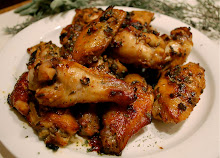
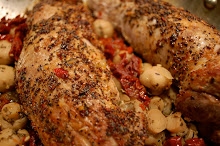
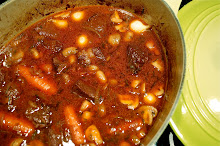
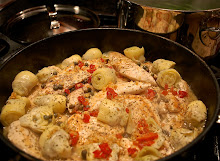
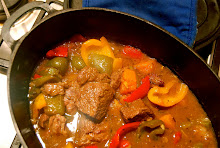
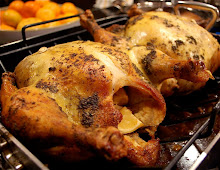
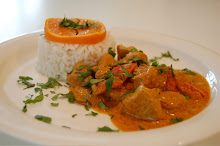
For these three dishes I carved one whole raw turkey into parts – legs, thighs, wings, and then the breast. All the remains (carcass, legs, etc.) were roasted in the oven for a soup base. I prepared the dark meat (thighs and wings) as a Moroccan tagine – rich with red pepper, cinnamon, ginger and apricots. Then I prepared the breasts VERY QUICKLY as a simple braise in wine and a mire-poix. Spicy tagine for adults, subtle braised breast for kids. Soup for anyone needing warmth.

Enough for everybody, and everybody’s happy. Give thanks.


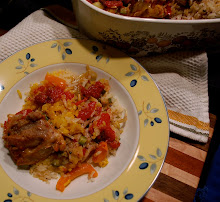
Turkey Tagine with Cranberries and Apricots
4 turkey breasts, boned and quartered
2 turkey wings
1 onion, diced
4 cloves garlic, minced
1-inch fresh ginger, minced
½ tsp red pepper flakes
½ tsp cumin seeds
½ tsp fennel seeds
2 sticks cinnamon
½ cup dried apricots
½ cup dried cranberries
1 cup water

Sear the turkey in batches in a non-stick skillet over very high heat, skin-side down, until really golden brown on the skin side, 3-5 minutes. Turn over and brown on other side another minute or two. Remove to a platter.

In a tagine (or the same skillet if you don’t have a tagine), sauté the onion until softened and beginning to caramelize, over medium heat for about 8-10 minutes. Add the garlic, ginger, red pepper, cumin and fennel, and cook another 2-3 minutes, until aromatic. Distribute the turkey about the onion mixture, skin-side up, and add the water. Salt and pepper to taste. Submerse the cinnamon sticks well under the liquid and bring to a boil. Reduce to a simmer, and cover. Cook for half an hour.

Uncover the tagine (or skillet) and shake to redistribute flavors. Do not stir – keep the turkey breast meat with the skin-side up to stay as crisp as possible. Distribute the cranberries and apricots about the dish, immersing into the broth. Cover and simmer another half an hour.


Turkey Breast Braised with Cranberries and Wine
The trick here is to braise the breasts JUST until they are done - if not overcooked, these are some of the most tender turkey breasts I have ever had.

1 onion, finely diced
1 large carrot, finely diced
2 large stalks celery, finely diced
½ cup dried cranberries
1 cup dry white wine
2 large boneless turkey breast halves

Sauté the onion, carrot, celery in a large non-stick skillet in a bit of olive oil until the vegetables soften and begin to caramelize, about 10 minutes. Set vegetables aside in a bowl. In the same skillet, sear the turkey breast halves, skin side down for about 5-8 minutes, until very well browned. Turn and brown second side another 5 minutes. Salt and pepper to taste. Return vegetables to pan and add the wine and cranberries. Bring to a boil, turn heat to low, cover skillet and braise for 20 minutes, or until the breasts are just cooked through. Remove breasts, slice across grain and top with vegetables and sauce on serving platter.

Turkey Soup with Roasted Vegetables
This is not for the feint of heart – it takes some time but oh, the results are so worth it. This will most definitely raise the spirits of anyone who is sick. This soup depends on all the bones – the gelatin is so healthful and extends a richness you can’t get any other way. For the richest stock, include all the turkey drippings, skin, bones and organs except the liver. The onion skins help produce a flavorful, colored stock. This soup usually takes two days since you have to let the stock cool to efficiently skim away all the fat. By the way, this works very nicely with chicken as well – this is a master recipe which can be varied in untold different ways.

Carcass, legs and trimmings of 1 carved turkey
2 onions, quartered, including skins
1 bay leaf
2 carrots, finely diced
3 stalks celery, finely diced
1 tsp fennel seeds
1 15-oz. can Navy beans
¼ cup pearl barley
1 small butternut squash, peeled and diced
2 turnips, diced
2 tsp. dried rosemary
½ cup frozen peas

If the carcass has not been roasted, place it and all the bones and trimmings in a roasting pan and roast at 400F for 45 minutes, until well browned. Transfer the roasted pieces and all the drippings to a large stock pot and just cover with water. Add the bay leaf, bring to a boil, and lower to a simmer. Cover and cook for an hour.

Place a colander in a very large bowl and carefully strain the stock. Remove the colander and its contents from the bowl and allow the bones to cool enough to pull all off all the meat. Be careful not to include any small bone fragments. Set the meat aside in a sealed container in the refrigerator. Return the stock to the pot and cool down until the fat surfaces and solidifies. This can be finished in the refrigerator, or in cold New England winters, I use the garage or the back porch overnight. Either way, it takes some time, and I usually continue the next day.

Using a large spoon skim off all the fat on top of the stock and discard. Warm the pot on the stove and return the meat to the stock and set to a simmer. In another pan, sauté the carrots and celery for about 8-10 minutes, until softened and slightly caramelized. Add the fennel seeds for the last 1-2 minutes. Add to the stock along with the beans and the barley.

Meanwhile, set the oven to 400F. Toss together the squash and turnips with the rosemary and about a tablespoon of olive oil and a bit of coarse salt and pepper in a bowl. Lay out in a large jelly roll pan and roast for about 20 minutes, or until well browned.

Tip the roasted vegetables and the peas into the soup. Simmer another 15 minutes or so, to meld flavors. Serve to your poor, your tired, or huddled masses.

Friday, October 24, 2008

Avocados – The Sensuous Fruit

Known by the Aztecs as the fertility fruit, and named ‘ahuacatl’ by their neighbors, the Nahuati, after their decidedly ‘male’ shape, avocados are as sensuous as their reputation. Smooth and creamy, and nowhere nearly as caloric as so many claim, they are full of minerals, essential fatty acids, and healthful antioxidants such as lutein.

Think about using avocado instead of cheese, mayo or butter. A portion of avocado has half the fat and calories of an equivalent portion of mayonnaise or cheddar cheese and ¼ that of butter. They have no cholesterol and their skins are so convenient for holding single portions of salads – what more could you ask?

Avocado and Crab Salad
zest of ½ lemon
1 Tbsp lemon juice
1 Tbsp olive oil
1 rounded Tbsp good real mayonnaise
1 clove garlic, minced through press
1 Tbsp minced chive
1 6-oz can crabmeat, drained
2 ripe avocados

Place zest and juice of lemon in a bowl. Add olive oil, mayonnaise, garlic, chive and crab and mix well. Cut avocados in half lengthwise, and remove the pit. Carefully run a sharp knife through the avocado at ½-inch intervals, in a criss-cross pattern, without cutting the skin. Carefully scoop out the avocado dice and fold into the crab mixture. Salt and pepper to taste. Return the crab salad to the empty avocado skins and sprinkle with chili powder.


Tortilla Soup with Avocados
½ fresh jalapeno pepper, minced
2 cloves garlic, minced
½ tsp cumin seeds
1 quart clear chicken stock
1 whole boneless, skinless chicken breast, halved
1 avocado, pitted, peeled and sliced
corn tortillas
2 green onions, sliced
1 lime, quartered

In a soup pot, sauté the jalapeno, garlic and cumin in a bit of olive oil for about 2 minutes. Add the stock and the chicken and bring to a boil. Reduce heat to a simmer for about 5-8 minutes or until the chicken is cooked through. Remove the pot from the heat and remove the chicken to a plate. Allow chicken to cool enough to shred by hand and return shredded chicken to the soup.

Distribute avocado into four soup bowls. Add a handful of corn tortillas to each bowl and ladle in a generous portion of broth and chicken. Top with green onions. Serve with lime wedges.


Avocado and Dill Omelet
3 eggs
1 Tbsp. milk
¼ tsp. dill
salt and pepper to taste
shaved Parmesan cheese
½ avocado, sliced

Whisk the eggs, milk, dill salt and pepper together. Spray a non-stick skillet with a bit of canola oil and heat almost to smoking. Tip in the eggs and let a layer set as the eggs bubble vigorously. Pull in the cooked layer towards the center with a spatula as you lift and roll the pan to allow runny eggs to fill the empty space. Do this several times until there isn’t enough runny egg left to fill the void. You should be making delicate folds throughout. Pull the pan off the heat – omelets will continue to cook off the heat, so they are like scrambled eggs and should be taken off the heat just undercooked.

Place avocados and shaved Parmesan onto half the omelet and carefully fold the other half over. Carefully slide omelet onto plate.

-o-

I like guacamole, period. I like it creamy and I like it chunky. This creamy version is great not only as a dip, but as a topping for fish or as a spread for sandwiches or panini.

Creamy Guacamole
2 ripe avocados, finely diced
juice of half a lime
1 clove garlic, pressed through a garlic press
¼ tsp chili powder
¼ tsp powdered cumin
dash Cayenne pepper
dash salt
1 Tbsp good real mayonnaise (or sour cream)

Mix all guacamole ingredients together, mixing well to achieve a creamy consistency.


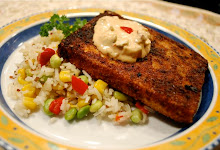
Tilapia with Avocado and Curry Cream
4 Tilapia fillets
1 ripe avocado
1 lemon

Curry Cream:
½ cup yogurt
¼ cup light sour cream
¼ cup real mayonnaise
1 tsp curry powder
½ tsp. cumin powder
½ tsp. chili powder
½ tsp salt
½ tsp. minced cilantro leaves (or parsley)

Mix together the curry cream ingredients and let them meld as you cook the fish.

Meanwhile, heat a large non-stick skillet (ideally a ridged grill pan), sprayed with Canola oil, just until smoking. Turn heat to medium and sauté the fish on one side for about 3-4 minutes. Flip carefully, and salt and pepper to taste. Cook another 3-4 minutes, just until cooked through.

Seed, peel, and thinly slice the avocado. Plate each fillet topped with 2-3 slices avocado and a dollop of curry cream. Serve with lemons.

Sunday, October 19, 2008

Grow Fresh Basil

If you can – grow fresh basil in your garden. It's cheap and adds a million bucks to most dishes you add it to, and looks great in your garden.

There are as many ways to use pesto as to make pesto. The classic mixture of fresh basil leaves, garlic, pine nuts, Parmesan cheese and olive oil can be enhanced with many flavors. A thick, aromatic sauce, pesto can be used to flavor pastas, soups and sauces. The first step is to get your hands on some fresh basil – expensive enough at the grocer that I grow a half a dozen plants in my garden wherever there is room, amongst the flowers.

Being able to use fresh basil leaves, just a few at a time, is a great advantage of growing your own – I often just want a few leaves for a sandwich or to garnish a pasta dish, or to add to a salad.


Classic Pesto Sauce
¼ cup pine nuts
3-4 cloves garlic
¼ lb Parmesan or Romano cheese
4 cups basil leaves, lightly packed
dash salt
1 cup olive oil

Toast pine nuts carefully over medium heat, in a non-stick skillet, shaking often, just until aromatic.

In a large food processor, process the cheese until very finely ground. Add the garlic and pine nuts and process just until incorporated.


Add the basil, salt and oil and process just until very well blended to a thick consistency.


Sundried Tomato Pesto

¼ cup pine nuts
3-4 cloves garlic
¼ lb Parmesan or Romano cheese
¼ oil-packed sundried tomatoes, drained
4 cups basil leaves, lightly packed
dash salt
1 cup olive oil

Toast pine nuts carefully over medium heat, in a non-stick skillet, shaking often, just until aromatic. In a large food processor, process the cheese until very finely ground. Add the garlic, pine nuts and tomatoes, and process just until incorporated. Add the basil, salt and oil and process just until very well blended to a thick consistency.

Orange Ginger Pesto
¼ cup pine nuts, slightly toasted
3-4 cloves garlic
¼ lb Romano cheese
zest of 1 navel orange
½-inch fresh ginger, sliced
4 cups basil leaves, lightly packed
fruit of 1 navel orange, peeled and cleaned of any extra pith
dash salt
1 cup olive oil

Toast pine nuts carefully over medium heat, in a non-stick skillet, shaking often, just until aromatic. In a large food processor, process the cheese until very finely ground. Add the garlic, pine nuts, ginger and jest, and process just until incorporated. Add the basil, salt orange flesh, and oil and process just until very well blended to a thick consistency.

Farfalle Primavera with Orange Ginger Pesto
1 lb farfalle pasta
1 red pepper, thin;ly sliced
1 green epper, thinly sliced
¼ cup shredded carrot
4 baby zucchini, quartered lengthwise
4 baby yellow squash, quartered lengthwise
2 Tbsp orange and ginger pesto sauce

Cook farfalle al dente according to package directions. Meanwhile, sauté vegetables in a non-stick skillet until softened and slightly browned. Toss vegetables with drained farfalle pasta and the pesto.

You can certainly use small zucchini and squash, cut into matchsticks, if you don’t have baby squash available.

Creamy Basil Ricotta Sauce
1 clove garlic
2 cups Ricotta cheese
½ cup half-and-half
2 dozen fresh basil leaves
2 Tbsp. fresh chives
Dash red pepper flakes (to taste)

Process garlic in food processor until finely minced. Add remaining ingredients until well blended, stopping to scrape sides once or twice. Great served over pasta!


Pear, Tomato and Basil Salad
2 ripe pears, sliced
2 ripe tomatoes, sliced
¼ lb creamy blue cheese (Danish or Roquefort), thinly sliced
6 fresh basil leaves cut in chiffonade
1 Tbsp balsamic vinegar
2 Tbsp extra virgin olive oil

Arrange the pears, tomatoes, basil and cheese in layers. Sprinkle with vinegar and oil. Salt and pepper to taste.

Bisques, Chowders and Gumbos

Living in New England, I have been lucky enough to try dozens of different chowders – from clam to lobster, fish and corn. I prefer the creamy ‘New England’ chowders to brothy ‘Rhode Island’ or tomato-basted ‘Manhattan’ varieties. Interestingly, some of the best of New England creamy chowders can be found on Block Island, a small island off the Atlantic coast of Rhode Island, where a yearly competition keeps the chowder tradition alive and well.

Varieties are endless – whole books have been written on chowders alone. Like New England chowders, bisques are creamy often seafood based – think lobster bisque. Creamy soups of French origin, bisques often include tomato and sherry, and tend to be more richly colored and flavored than the more subtle New England chowders.

These seafood chowders and bisques are based on a roux foundation – flour cooked in oil or butter – making these soups rich and creamy. Gumbos, a southern cousin of the chowder and bisque are also based on a roux. But in gumbos the roux is cooked far longer, to render it nutty and much darker brown.

New England Style Seafood Chowder
1 onion, finely diced
1 carrot, finely diced
2 stalks celery, finely diced
2 cloves garlic, minced
¼ cup flour
2 Tbsp canola oil
2 Tbsp butter
3 cups milk
1 8-oz bottle clam juice
1 lb fish, such as scrod, cod or halibut
½ lb shrimp, shelled
1 tsp dried dill

Sauté onion, carrot and celery in a bit of canola oil in a pot over medium heat for about 8 minutes, until vegetables soften. Add garlic and continue cooking another minute. Set vegetables aside in a bowl. Add the oil and butter in the same pot and melt the butter. Add the flour and cook about 3-4 minutes with stirring, until the roux bubbles and begins to brown slightly. Add the milk and clam juice and bring nearly to a boil, stirring often as soup thickens. Return vegetables, fish, shrimp and dill to the chowder and cook about another 3-5 minutes, until the seafood is cooked through. Salt and pepper to taste.

Curried Corn and Mushroom Chowder
8 dried Shitake mushrooms
10 oz fresh button mushrooms, sliced
1 Bermuda onion, diced
1½ cups sweet corn, frozen is fine
2 Tbsp butter
2 Tbsp canola oil
¼ cup flour
2 cups milk
2 cups chicken stock
2 tsp. curry powder
1 large Yukon Gold potato, diced into ½-inch pieces

Soak the shitake mushrooms in hot water for about fifteen minutes. Meanwhile in a soup pot, sauté the onion and mushrooms in a bit of olive oil. Put half the corn in a food processor, and purée with ½ cup of the milk. Drain and dice the shitake mushrooms and add to the onions. Sauté another few minutes. Remove mushroom mixture to a bowl.

Melt butter in the pot and whisk in the flour. Fry the flour for a few minutes while whisking almost continuously. Whisk in the milk, and add all the remaining ingredients, including the mushrooms. Bring to a boil. Cover and lower heat to a simmer. Salt and pepper to taste. Cook about fifteen more minutes, until the potatoes are just tender, stirring occasionally.

Seafood Bisque
1 yellow new potato, diced ¼-inch
1 large or 2 small onions
1 clove garlic, minced
2 Tbsp olive oil
2 Tbsp butter
1/4 cup flour
1½ cups milk
1 cup chicken broth
2 8-oz bottles clam juice
1 Tbsp tomato paste
¼ cup Cream Sherry
½ lb salmon, cubed, ½-inch
½ lb pollock, cubed, ½-inch
½ lb small shrimp, peeled
1 Tbsp chives, minced

Lightly boil the potato in salted water only until just undercooked. Drain and set aside. Sauté the onion in the butter and oil until softened, about 5 minutes. Add the flour and cook 2-3 minutes until the flour has been well incorporated and stops bubbling. Add the garlic and continue cooking another minute. Add the milk, broth, clam juice, tomato paste and sherry, and whisk to a boil. Return to a simmer and cooked until thickened. Add the seafood and cooked potatoes and cook for another 3-5 minutes, until seafood is cooked through. Stir in chives.

An alternative to the chicken broth is a cup of water in which the shrimp shells have been simmered for about 20 minutes. This shrimp stock adds a great deal of flavor to any fish soup.

Louisiana Gumbo
½ lb. boneless chicken, cut into ½-inch pieces
2 stalks celery, diced
1 green pepper, diced
1 medium onion, diced
½ lb Andouille sausage, diced
4 cloves garlic, minced
¼ cup flour
¼ cup canola oil
1 can black beans, rinsed and drained
2 tsp Louisiana Essence spice mix
2 cups chicken stock
1 can diced tomatoes
2 tsp. Worcestershire sauce
Dash of Tabasco sauce as desired
½ lb. small peeled shrimp

In a soup pot over medium-high heat, sauté the chicken pieces in a bit of olive oil stirring often, for about 3-5 minutes – just until the chicken is cooked through. Remove to a bowl. Add celery, pepper and onion and cook over medium heat for three minutes, adding a bit more oil if necessary. Add the sausage and continue cooking another 3-5 minutes. Add the garlic and finish cooking another minute. Remove to a bowl, scraping up all the fine bits at the bottom of the pot.

Add the flour and canola oil to the pot and cook over medium heat for about 10-15 minutes, whisking regularly. This roux should become much darker than a roux for a white sauce or a chowder – it should be at least the color of peanut butter, or darker. Stir in the rub spice mixture. Return the vegetables to the roux and add the broth, tomatoes, and Worcestershire sauce. Add the beans. Bring to a boil, reduce to a simmer, and cook, covered for about 20 minutes, stirring often. Add the shrimp. Return to a boil, stirring. Remove from heat and season with Tabasco, salt an pepper to taste. Serve surrounding a mound of white rice in a shallow bowl.

Louisiana Essence
This can be rubbed into fish, chicken or meat before searing in a hot pan. It seasons soups and gumbos as well.

1Tbsp garlic powder
1Tbsp onion powder
1 tsp powdered thyme (or dried if you don’t have powdered)
½ tsp black pepper
½ tsp cayenne pepper
1 tsp salt
2 tsp brown sugar

Sunday, September 28, 2008

Soup or Stew – Full of Beans, Or Just Culinary Lexicon?

I was leafing through a cookbook entitled “400 Soups” in a store the other day. Besides being impressed at how many varieties there are in the world, it struck me that the distinction between soup and stew is not at all clear. But does it really matter to someone coming home hungry after a long, hard day’s work? No – whatever you call it, serve it up in a bowl and let’s eat!

This debate permeates the web and blogosphere. And it is especially difficult for bean-based vegetarian stove-top preparations. Soup, stew, hotpot, potage, bisque, broth, chowder… All these terms have their nuances, but are often interchangeable. For these bean-based recipes below, I’ll use ‘bean hotpot’ for something served in a bowl, and ‘sauce’ for something served on top of something else (like pasta).

Rachel Ray commercialized the term I have used forever – ‘Stoup’. There are however, many other connotations for the word ‘Stoup’, including a basin for Holy Water or, a degrading idiot. I don’t want to go there. So I’ll stick with hotpot…

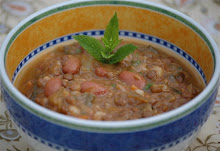
Lentil and Barley Hotpot
1 large onion, diced
2 carrots, peeled and sliced
3 stalks celery, diced
4 cloves garlic, minced
1 tsp cumin seeds
¼ tsp red pepper flakes
1 tsp Herbs du Provence
½ cup green lentils
¼ cup red lentils
¼ cup white (Indian Garam) lentils – or substitute red or green
¼ cup un-hulled barley, or soft winter wheat (or substitute pearled barley)
1 quart chicken or vegetable stock
1 cup water
1 cup white wine
1 16-oz can diced tomato
1 Tbsp red wine vinegar
1 Tbsp Dijon mustard

In a 3-4 quart pot, sauté onion, carrot and celery in a bit of olive oil until softened and beginning to caramelize. Add garlic, cumin, red pepper and Herbs du Provence and cook another minute or two until very fragrant.

Add remaining ingredients to pot, and bring to a boil. Stir and reduce to a simmer. Cook, stirring several times, for about 45 minutes, or until all ingredients are cooked through.

Chili Bean Hotpot
1 green pepper, diced
1 large onion, diced
2 stalks celery, sliced
4 cloves garlic, minced
1 tsp cumin seeds
1 tsp mustard seeds
1 Tbsp. chili powder
½ tsp Allspice
½ tsp red pepper flakes
1 quart chicken or vegetable stock
2 cups water
¼ cup green lentils
¼ cup yellow split peas or red lentils
¼ cup soft whole winter wheat berries
¼ cup bulgur wheat
1 new potato, peeled and diced into ¼ inch pieces
3 fresh ripe tomatoes, diced and drained (or 1 can diced tomatoes)
1 29-oz can spicy chili beans in tomato sauce (NOT vegetarian baked beans – too sweet)
1 Tbsp unsweetened cocoa powder
1 Tbsp molasses

In a 3-4 quart pot, sauté the pepper, onion and celery in a bit of olive oil until the vegetables soften and begin to caramelize. Add garlic, cumin, mustard and the spices and cook another few minutes until very aromatic. Salt and pepper to taste. Add the vegetable stock, water, lentils, peas and wheat, and bring to a boil. Reduce heat to a simmer and cook for about 45 minutes, stirring from time to time, until the beans and grains are cooked. The wheat berries might still be very al-dente – they will cook more in the next step.

Meanwhile, sauté tomatoes in a bit of olive oil over high heat to caramelize and stew for about 10 minutes. Set aside. Omit this step if using canned tomatoes. Add potatoes, tomatoes, cocoa and molasses to bean pot, along with the canned beans. Simmer for another 20 minutes until all the flavors meld.

Tomato & Cannellini with Pesto and Toasted Pine Nuts
2-3 large fresh ripe tomatoes, diced and somewhat drained
1 can Cannellini beans, drained
2 Tbsp pesto sauce
½ cup white wine
2 Tbsp butter
¼ cup pine nuts
1 lb pasta (of your choosing)

Heat a pan over fairly high heat with a bit of olive oil and sear the tomatoes, stirring until they are bubbly and caramelized. Add the remaining ingredients and simmer until heated through.

Meanwhile cook pasta al-dente according to package instructions. Gently toast pine nuts in a dry non-stick skillet over medium heat, shaking pan often. Allow nuts to slightly brown but not burn. Serve sauce over pasta topped with pine nuts and grated Parmesan cheese.


Pinto and Andoille Hot Pot
4 small celery stalks, diced
2 carrots, sliced
1 onion, diced
¼ lb Andoille sausage, finely diced
3 cloves garlic, minced
1 quart chicken or vegetable stock
2 cups water
1 can pinto beans, drained
1 potato, diced
2 tomatoes, diced
1 cup cooked brown rice
6 leaves fresh basil, cut in chiffonade
2 tsp. Emeril Essence (or Cajun spice mix)

In a 3 quart pot, sauté the onion, celery and carrot until softened and slightly caramelized. Add the sausage and heat through and then add the garlic and cook a few more minutes until the garlic is fragrant.

Add the rest of the ingredients and simmer until the potato is cooked through, about 15 minutes.

Wednesday, September 24, 2008

They Say Eat More Fish

Not only do nutritionists recommend eating more fish, they specifically emphasize the health benefits of those species containing higher levels of so-called omega-3 fatty acids. Together with their omega-6 cousins, they are known as ‘essential fatty acids’, which cannot be synthesized by the human body. Omega-3’s are found in ‘fatty’ fish such as salmon and of course sardines, mackerel and anchovies. There are many other sources of omega-3 fatty acids such as almonds, walnuts, leafy green vegetables and eggs. But if you’re like me and don’t go for the more ‘flavorful’ fatty fish, but you like salmon and those other omega-3 containing foods, you are still in luck.

But let’s not get too carried away. White fish is still great for you, so I for one will continue enjoying Cod and Tilapia, along with Salmon, thank you very much.


Oven Poached Salmon and Summer Vegetables
4 portions salmon fillet, about 1/3 lb. each, skin removed
1 yellow summer squash, seeded and sliced into half-moons
2 dozen grape tomatoes
1 dozen asparagus spears
8 fresh basil leaves, cut in chiffonade
palmful fresh mint leaves
2 tsp anise seeds (optional)

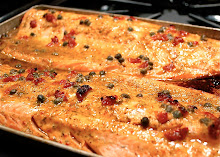
Preheat oven to 400F. Place each salmon filet on a separate piece of aluminum foil more than big enough to completely wrap the fish. Distribute the remaining ingredients scattered on top of the salmon. Salt and pepper to taste. Wrap the fish tighly in the foil and place on a cookie sheet. Bake for 20 minutes.


Pan Roasted Cod over Soba Noodles
2 cups chicken broth
1 cup water
1 Tbsp soy sauce
1 Tbsp spiced rice wine vinegar
1 tsp sesame oil
½ red pepper, halved and thinly sliced
¼ cup shredded carrot
1 very small yellow squash, sliced
1 small can sliced mushrooms, including liquid
¼ lb. soba noodles
1½ lb cod fillet, cut into 4 pieces
3 cloves garlic, sliced
½ inch fresh ginger, minced

In one pot, combine broth, water, soy sauce vinegar, sesame oil and mushrooms (including liquid from can. Bring to a boil and add soba noodles, carrots, pepper and squash. Simmer, stirring often.

Meanwhile, heat a separate non-stick skillet and cook cod over very high heat in a bit of canola or peanut oil for about 2 minutes. Flip carefully and continue cooking another 2 minutes. Set aside. In same non-stick skillet, fry the garlic and ginger over medium heat in a bit of canola or peanut oil until fragrant, but not browned. Set aside.

When noodles are done (they should take no more than 5 minutes), transfer one fourth of the noodles, vegetables and broth to each of four bowls. Top the noodles with one of the fish portions and scatter the garlic and ginger on top of the fish pieces.

Salmon Stuffed with Crabmeat
4 salmon filets, tail end, skin removed, about 4-inches long each
3 cups herbed seasoned stuffing mix
1 can crab meat, picked through and drained
Fresh herbs such as oregano, mint or tarragon

Prepare stuffing mix according to package directions (I like to add a bit of garlic passed through a press). Mix in the crabmeat with the stuffing. Lay each fillet out on a work surface and divide the stuffing among the four filets. Roll each fillet up and place seam-side down in a baking dish. Spray with oil and top with fresh herbs. Bake for 20-30 minutes, until heated through.

Tilapia with Creamy Guacamole and Fresh Tomatoes
4 Tilapia filets
2 fresh ripe tomatoes, diced and drained
½ lemon, quatered

Creamy Guacamole
1 avocado. Finely diced
juice of half a lime
1 clove garlic, pressed through a garlic press
¼ tsp chili powder
¼ tsp powdered cumin
dash Cayenne pepper
dash salt
1 Tbsp good real mayonnaise (or sour cream)

Prepare guacamole by mixing all guacamole ingredients together, mixing well to achieve a creamy consistency.

Meanwhile, sauté the tilapia, preferably on an oil-sprayed non-stick ridged grill pan, about 5 minutes on one side. Flip and finish cooking about another 2 to 3 minutes, depending on the thickness. Salt and pepper to taste.

Plate the tilapia and sprinkle with lemon. Top with a dollop of creamy guacamole and some diced tomatoes.

Tuesday, September 16, 2008

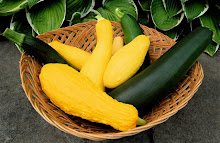
1000 ways to deploy a squash harvest

First of all, give some away.

Next make zucchini soup. Then make ratatouille. Freeze some for a rainy day. Now, give more away.

Then, consider some of these ideas.


Cumin, Pinto and Sage Stuffed Zucchini
2 12-inch zucchini, sliced lengthwise and scooped of seeds
1 onion, diced
2 cloves garlic, minced
6 fresh sage leaves, diced
½ lb ground beef
1 rounded Tbsp chili powder
1 tsp cumin powder
1 can pinto beans, drained
2 cups cooked rice
½ lb grated jalapeno-Jack cheese
1 can diced chilies

Heat oven to 400F. Place zucchini in a large oiled roasting pan and spray them with canola oil. Bake for 20 minutes until just starting to soften. You can broil for the last few minutes just to brown the inside of the zucchini if you want. Do not salt them or they will go wet and limp on you.

Meanwhile, in a large skillet, sauté onion until soft. Add garlic and sage and cook another 1-2 minutes. Add ground beef and brown. Add chili powder, cumin, beans and rice and mix well. Stuff zucchini boats with beans and rice mixture. Top with cheese and chilies and bake until completely heated through and cheese is melted, about another 20 minutes.

Serves 6.


Grilled Swordfish with Zucchini Caponata

6 swordfish steaks, about ¾ inch thick
Zucchini Caponata (see below)

Heat grill and spray swordfish steaks with canola oil. Salt and pepper to taste. Grill fish for five minutes on one side with out turning or moving. Flip and grill the other side for about three more minutes.

Plate steaks on individual plates and top each with about ½ cup Caponata.


Zucchini Caponata

1 medium zucchini, seeded and finely diced
1 small eggplant, diced to ½ inch
1 small onion, finely diced
2 cloves garlic, minced
zest and juice of 1 lemon
¼ cup calamata olives, chopped
6 marinated artichoke quarters (1 small jar), drained and chopped
1 fresh, ripe tomato, seeded and chopped finely
3 fresh basil leaves, chopped in chiffonade
1 Tbsp minced fresh mint
salt and pepper to taste
hot pepper sauce to taste

In a large pan, sauté zucchini and onion over high heat in a bit of olive oil. Let the zucchini brown just a bit – but not too much to burn it. As the zucchini browns a bit you can turn the heat down to medium. I like the caramelization this achieves, but it’s a delicate balance not to burn the zucchini, which makes it bitter. Add the garlic for the lat 1-2 minutes of cooking. Remove zucchini mixture to a bowl.

Add the eggplant to the pan and brown lightly in a bit of olive oil just as for the zucchini. Make sure the eggplant is cooked through and then add to the zucchini in the bowl. Let cool to room temperature. Then toss in remaining ingredients and let marinate at least half an hour.

Makes about 3-4 cups; enough to top 6-8 servings of meat or fish, or to make 2 pizzas.


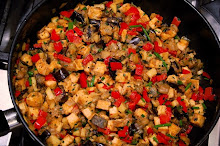
Ratatoille Nicoise

3 medium zucchini, sliced
1 large onion, diced
1 yellow pepper, halved and sliced
3 cloves garlic, minced
palmful fresh oregano
2 large ripe tomatoes, diced
1 Tbsp sugar
2 anchovies, finely minced (optional – if you have them)
½ cup Calamata olives
½ cup pimento-stuffed green olives
1 Tbsp fresh mint, minced
¼ tsp red pepper flakes
½ cup dry white wine

In a large pot, sauté the zucchini in a bit of olive oil until softened and slightly browned. Set aside. In the same pot, sauté the onion and pepper until softened and starting to turn golden. Add the garlic and oregano and cook another few minutes until fragrant – but do not allow garlic to brown. Set aside.

In same pot, heat about 2 tablespoons olive oil just until smoking and then add the tomatoes, sugar and anchovies if you are using them. Sauté, stirring often, until tomatoes cook down and caramelize a bit.

Return all vegetables back to the pot. Add the olives, mint, red pepper and wine. Salt well to taste. Bring to a boil, stir and return to a gentle simmer. Cook for about half an hour.

As with all ratatouilles, this is actually best if refrigerated overnight to allow the flavors to meld, and gently reheated the next day.


Zucchini and Yellow Squash Carpaccio

The smaller the squash the better, to avoid the seedy centers of the larger specimens, and the tougher skins of larger yellow squash.

2 small zucchini (about 4 inches)
2 small, tender yellow squash (about 4 inches)
1 leek, white section only, halved lengthwise, thinly sliced, washed and drained
6 fresh basil leaves, cut in chiffonade
1 Tbsp fresh mint, minced
1 Tbsp capers
½ cup Ricotta cheese
zest and juice of ½ lemon
about 2-3 Tbsp good olive oil

Very thinly slice the zucchini and squash ideally using a mandolin. Arrange slightly overlapped spirally in a single layer on a large platter, alternating zucchini and yellow squash. Arrange leek, mint, zest and capers evenly over squash. Dot the platter (about 1 tsp) evenly with the Ricotta cheese. Sprinkle evenly with lemon juice and olive oil. Salt and pepper generously. Let the carpaccio sit for at least an hour.

Friday, August 8, 2008

Eat Ribs in the Mountains

(...and Whistler is Awesome! according to Kip...)

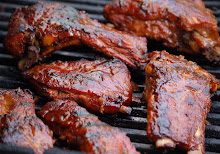
I don’t know what it is but barbeque ribs just taste better after mountain biking in summer or skiing in winter. Maybe it helps justify eating decadent foods, but the vigor of the high mountain outdoors draws out the carnivore side of this omnivore.

In Vermont, we love to eat at the Back Behind Saloon, a smoke house just south of Killington (peak elevation 4,215 ft.) that serves the most awesome smoked beef short ribs I have ever had. When living in Ft. Collins, Colorado (elevation 5,003 ft. and BTW full of Mexican – not BBQ – restaurants) my grad school buddies and I would sometimes spend a week hiking the Collegiate range (elvation14,000+ ft.) near Crested Butte. To get closer and even a bit more altitude-acclimated, we’d spend the night before at just under 10,000 ft. at an old inn at Fairplay (elevation 9,953 ft.) – and eat BBQ pulled pork.

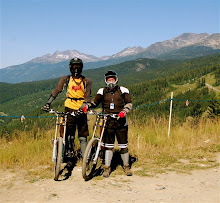
Here in Whistler, British Columbia (village elevation 2,295ft; summit elevation 7,087 ft.) they were just finishing the Canadian BBQ Championship as we arrived, full-face biking helmets and body armor in tow.

It seems they too understand this liaison between mountains and BBQ.

So when we hit the local IGA to outfit our kitchen for the week, ribs were on the list. Though fairly well outfitted, our condo kitchen didn’t have all the gadgets (or pantry supplies!) I’ve collected at home, so I had to keep it simple. While sipping some Sleeman’s Cream Ale – an old Canadian favorite of mine when we lived in Toronto (city centre elevation 253 ft; CN Tower, another 1,815 ft.) – I knew just what to do to make great, simple ribs to end a day of extreme downhill-mountain biking.


Whistler Sleeman’s Spare Ribs
2 meaty racks pork spare ribs, cut into 3-4 rib portions
1 onion, finely diced
2 Tbsp Balsamic vinegar
1 bottle Canadian Sleeman’s Cream Ale
2 cups barbeque sauce

Hit a large pot on high heat with some canola oil. Sear the ribs in batches to brown each side very well. Set ribs side.

Fry onions in the same pot for about 10 minutes, or until they soften and begin to brown. Return ribs to pot and add the beer and vinegar. Salt and pepper to taste. Cover the pot and cook the ribs for about half an hour, turning two to three times.

Remove ribs to a wide baking pan, spreading them in a single layer. Bake for about 20 minutes in the oven dialed in at 350F. Meanwhile, reduce the remaining liquid in the pot to about a cup, so it is thick and bubbly, and mix with the barbeque sauce.

Pour sauce over ribs and continue cooking another 20 minutes. Flip ribs, baste and finish for another 20 minutes in the oven.

Sunday, July 27, 2008

There’s more than one way to curry a lamb

We made curries for Bill and Whitney’s wedding shower at work last week, and sent them off with presents and all our best wishes. I love lamb curries so it was hard for me to decide which one to make; here are a few examples of how lamb blends with curry flavoring so well. The Saag Gosht I made – curried lamb with spinach – seemed a crowd pleaser, and went well with basmati rice, raita – cold, spiced yogurt sauce, and dhal – curried lentils. My colleague also made a great chicken curry, saffron rice and the dhal. Try any of these lamb curries with rice, dhal and raita.


Saag Gosht
Curried Lamb with Spinach

2 lb boneless leg of lamb, cubed
2 10-oz packages fresh spinach
2 onions, diced
2 ripe fresh tomatoes, diced and drained, reserve juices
2 cloves garlic, minced
½ piece fresh ginger, minced
2 tsp. curry powder
2 tsp. Garam Masala
1 tsp. cumin seeds
2 sticks cinnamon
½ tsp. crushed red pepper flakes (or to taste)
½ cup water

In a large stew pot, sauté lamb in batches, in a bit of canola oil over very high heat. Set lamb aside in a bowl. Meanwhile, steam the spinach in a bit of water. Drain very well (I roll it in a tea towel and squeeze), and chop finely.

Add a bit of canola oil to stew pot. Fry the onion until softened, beginning to turn golden, and very fragrant, about 10 minutes. Add the garlic and ginger and continue frying for another minute or two, with stirring. Add the curry powder, Garam Masala and cumin seeds and cook with stirring until fragrant. Set the onion mixture aside with the lamb.

Turn heat to high and add a bit of canola oil to pot. Sear the tomatoes until most of the liquid has evaporated and the tomatoes begin to caramelize a bit. Return the onion and lamb mixture to the pot, add the cinnamon sticks, red pepper and the water, and simmer for an hour, stirring from time to time. Salt to taste. Add more water if necessary to form a nice sauce. Serve with rice. Serves 6-8.


Curried Lamb Marinated With Mint, Lemon and Pineapple Yogurt, Skewered with Basil

If you can't find pineapple yogurt (can be hard to find) just mix up some canned pineapple with plain yogurt - you can skewer the remaining pineapple with the lamb as well.

Marinade:
1 8-oz container pineapple low fat yogurt
zest and juice of ½ lemon
palmful fresh (or 2 tsp dried) mint leaves, minced
2 cloves garlic, pressed through garlic press
½ tsp. red pepper flakes
1 tsp Korma Masala (below)
1 tsp salt

2 lb. boneless leg of lamb, cubed
about 3 dozen fresh basil leaves
Mix together the marinade ingredients and marinate the meat overnight. Thread the meat onto skewers alternating with basil leaves. Grill for about 10 minutes, or until lamb is cooked through, turning regularly.


Shahi Korma
Creamy Indian Lamb with Almonds

This creamy Indian lamb dish with almonds is made aromatic with cinnamon sticks and a sweet masala (ground spice mix) made with coriander, fenugreek and ginger – it is much more mild and fruity than traditional ‘curry powder’. I use an electric coffee grinder dedicated to grinding aromatic spices. The almond paste helps to make a creamy sauce. The longer this dish simmers, the more tender the lamb becomes.

2 lb. boneless leg of lamb, cubed
2 large onions, diced
1 Tbsp Korma Masala (below)
2 sticks cinnamon
1 cup coconut milk
1 cup water
1/2 cup light sour cream
1/2 cup yogurt

Almond paste:
8 cloves garlic
1-inch piece fresh ginger
1/2 cup blanched slivered almonds
1/2 cup water

Blend together the almonds in a food processor until granular. Add the garlic, ginger and water and continue processing until the paste is very smooth.

In a large stew pot, heat a bit of canola oil and sear the lamb in three to four batches over high heat with regular stirring. Make each batch small enough so that pieces are not crowded enough to touch each other. Salt the lamb while searing, and remove each batch to a bowl.
Add a bit more oil if necessary, and fry the onion over medium heat for about five minutes. Add the masala spice mix and the cinnamon. Continue frying about another five minutes. Remove the onions to the meat and add the almond paste. Cook over medium heat for about five minutes, with regular stirring. Return meat and onions to pot and add coconut milk and water. Stir and simmer for at least 1 hour or more, until lamb is very tender. Stir occasionally.

Right before serving, stir in the sour cream and yogurt. Keep warm, but do not boil after this point as it can cause the yogurt to separate. Serves 6-8.


Korma Masala

This is a sweet Indian spice mix (masala), much more mild than traditional ‘curry powder’.

3 cardamom cloves
1 Tbsp coriander seeds
2 Tbsp fenugreek seeds
1 tsp ground ginger
1/2 tsp. red pepper flakes

Grind all spices together in an electric coffee grinder dedicated to spice grinding.


Basmati Pullao
Spiced Indian Rice

1½ cup Indian Basmati rice
1 Tbsp canola oil
6 cardamom pods
½ tsp cumin seeds
½ tsp mustard seeds
1 bay leaf
3 cups water
1 tsp salt

Rinse the rice in water at least 3-4 times, until the water remains clear. Drain very, very well. Sauté rice in oil, stirring constantly for about 8-10 minutes, until the rice is aromatic and turns from translucent to white. Add the spices after about five minutes. Do not brown or burn the rice or you should start over).

Add the water, salt and bay leaf, and bring to a boil. Stir and lower the heat to a simmer. Cover and cook for about 20 minutes or until the rice has absorbed all the water. Fluff with a fork.


Dhal
Creamy Indian Lentils

1 cup small red Indian lentils (Masoor Malka)
2 cups water
1 Tbsp. canola oil
1 tsp cumin seeds
1 tsp mustard seeds
1 tsp Korma Masala (above)
2 cloves garlic, minced
½ inch fresh ginger, minced
1 tsp salt

Bring the water to a boil in a medium pot and add the lentils. Cook about 20-25 minutes, stirring occasionally.

Meanwhile, heat oil in a small pan and fry the cumin and mustard seeds for 1-2 minutes, just until they become aromatic. Add the garlic and ginger and cook another minute or two until the garlic and ginger have softened.

Stir together the lentils, spices and the salt. Adjust water if necessary to make a creamy side dish.


Raita
Cold spiced yogurt sauce

I like to drain my yogurt through a coffee filter to remove a good portion of the whey – it makes the raita much richer.

2 cups yogurt
3 inches English cucumber, finely diced
1 clove garlic, pressed through garlic press
½ tsp red pepper flakes
palmful fresh mint leaves, minced, or 2 tsp dried mint
pinch of salt

Mix all ingredients together and allow to marinate overnight.

Saturday, July 12, 2008

Go Beyond Green - Cold Salads for Summer

I won’t say how to make a green salad – there’s really no recipe for that. So the only tip I’ll give is to try mixing fruits with veggies in a green salad – I love grapes, strawberries or blueberries in my salads mixed with snow peas, roasted beets or artichoke hearts – whatever.
Summer mix green salad with grapes and grape tomatoes.

But cold salads go beyond greens – and summer is a great time to try them. I love grains and legumes, and I put together these cold whole grain salads for summer dinners, more as complete meals than accompaniments. The whole grain wheat berries, barley, lentils and beans give a resistant, al-dente feel to the teeth, and a complete balanced protein complement – especially if eaten with cheese or other diary product.

A common factor in many of these salads is the herb-vinaigrette ‘slush’. Citrus – juice and zest – infused with herbs in olive oil guarantee a fresh dressing. You could use dried herbs (in the winter, for example) but try to get fresh herbs. Use different citrus fruit (including grapefruit – stay tuned) and most any fresh herbs you have in your garden. Just be careful of rosemary, which can be fairly intense for a fresh summer cold salad.

I also include a potato and apple salad, which I love – again adding fruit and crunch to a savory salad.

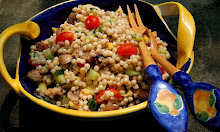
Israeli Couscous Primavera
2 cups Israeli couscous
10 oz. white button mushrooms quartered
4-inches English cucumber diced
1 small yellow squash, diced
1 jar marinated artichokes, drained and halved
12 grape tomatoes, halved
½ cup vinaigrette (or Italian) dressing

Cook couscous in plenty of boiling, salted water until al-dente – about 6-8 minutes. Drain rinse briefly with cold water to cool. Toss with remaining ingredients and chill.


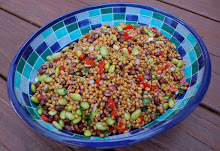
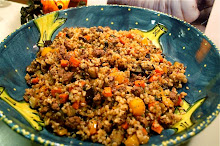
Wheat Berry and Lentil Salad
1 cup wheat berries, soaked overnight if you can
½ cup small Puy (black/olive) lentils – see 2-25-08
1 cup grape tomatoes, sliced or 1 large tomato, diced and drained
1 green onion, sliced
Juice and zest of 1 lemon
¼ cup olive oil
½ tsp coriander powder
Palmful fresh parsley, minced
1 Tbsp fresh mint, minced
1 clove garlic, pressed through garlic press

Cook wheat in salted water until al-dente. I like to use a pressure cooker – about 30 minutes, compared to about 60 minutes in an un-pressurized pot. A pressure cooker not only saves energy but keeps the kitchen cooler on hot summer days. Drain wheat and allow to cool.

Cook lentils in non-salted water for about 20 minutes, and then add a teaspoon of salt. Continue cooking about another 5 minutes, being careful not to overcook, or the lentils will fall apart. Taste-test often. Brain and let cool.

Mix remaining ingredients together and then gently fold in the drain wheat and lentils. Salt and pepper to taste. Allow to marinate at least half an hour.


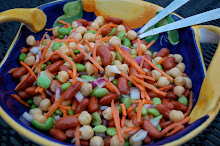
Bean and Barley Salad
1 can garbanzo beans, drained
1 can Navy beans, drained
1/3 cup pearl barley
¼ cup olive oil
Juice and zest of 1 lemon
Palmful parsley, minced
1 green onion, chopped
1 clove garlic, pressed in garlic press
½ orange pepper, finely diced
1 Tbsp white wine vinegar

Cook barley in 3 cups salted water for about 15-20 minutes, just until the barley is al-dente. Drain and let cool.

Mix together all ingredients and marinate at least half an hour.


Brown Rice and Edamame Salad
1 cup short-grain brown rice
1½ cup frozen, shelled Edamame (green soybean)
1 carrot, coarsely grated
1 green onion, chopped
1 Tbsp sesame oil
1 Tbsp soy sauce
2 Tbsp olive oil
Juice and zest of ½ lime
1 clove garlic, pressed through garlic press
½-inch fresh ginger, finely minced
1 Tbsp sesame seeds

Cook rice with two cups water and 1 tsp. salt for about 20 minutes. Fluff and tip out onto a platter to cool down.

Meanwhile, cook Edamame in salted water for about 5-10 minutes until tender to your liking. Drain and cool.

Mix together all the remaining ingredients and fold in the rice and Edamame. Sprinkle with sesame seeds. Allow to marinate at least half an hour.