About Me

My photo
Welcome to flexitarian cooking. A fusion of global flavors with lots of plants, some seafood and a bit of meat now and again.


Saturday, January 23, 2010

Vegetable Salads for all Seasons

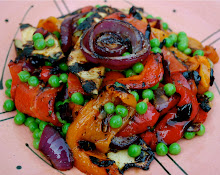
I love vegetable salads any season of the year. And in the middle of winter I’m especially happy to be reminded of summer with a good crunchy salad. OK, I’ll admit that I like vegetable salads even if they include canned veggies – take for example beet salad with corn (one of my favorite) – both from a can.

I know, I know, fresh is always better, but for those of us who need a good veggie salad after a long day’s work and have little time, vegetable salads using canned or frozen vegetables can just be the ticket. I have often mixed a can of Le Sueur Petit Pois (with or without pearl onions or mushrooms!) with some nice vinaigrette and viola! – salad. And yes, I am reading Barbara Kingsolver's "Animal Vegetable Miracle: A Year of Food Life" and am getting very inspired. But I am not quite there yet, and am still buying fruits and veggies out of season but flown many, many miles... I'm working on it.

Like Barbara, my sister Isabelle, refuses to eat tomatoes out of season. I understand. But I also am lured by "vine ripened tomatoes" in winter that look good but have a skin like plastic - genetically determined to travel well. I keep trying, but maybe I shouldn't...

Nonetheless, here are several salads, which really don’t take very long at all to prepare – fresh, frozen or canned. Bear with me for now, Barbara & Isabelle.

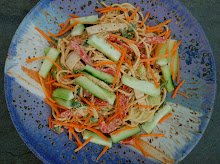
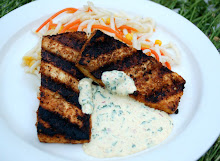
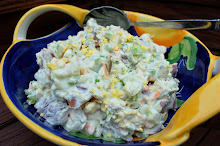
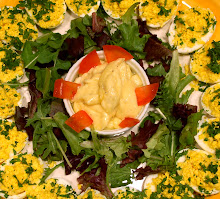
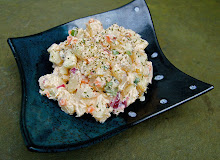
Creamy Cucumber Salad with Rice Vinegar Aioli2 cucumbers, peeled and thinly sliced (preferably with mandolin)
2 green onions
1 recipe rice vinegar aioli

Toss the cucumbers and onions with aioli and let marinate at least 30 minutes, mixing often.


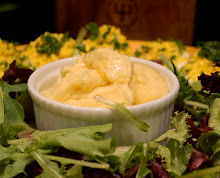
Rice Vinegar Aioli
½ cup good real mayonnaise (or cut in half with Greek yogurt)
2 Tbsp rice wine vinegar
¼ tsp salt
fresh ground pepper to taste
½ tsp dried dill

Whisk all ingredients together.


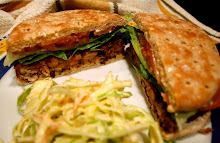
Asian Cole Slaw
1 medium head cabbage, thinly sliced
2 green onions, or half Bermuda onion, thinly sliced
1 carrot, grated
1 recipe Rice Vinegar Aioli (above)
1 tsp sesame oil
1 clove garlic, pressed through garlic press
dash red pepper sauce, to taste

Toss the cabbage with the onion and carrotin a large bowl with the aioli, sesame oil, garlic and pepper sauce. Marinate for at least 30-60 minutes, tossing several times.

Variation:
use Savoy cabbage, green onion, grated carrot, red pepper and Daikon radish.


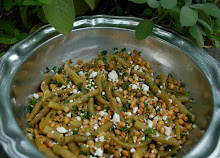
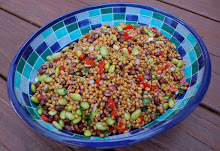
Cauliflower, Beet & Green Bean Salad
1 head cauliflower, trimmed and cut into bite-sized pieces
1 can sliced beets, drained and slices halved
2 cups cooked green beans, drained, or 1 can whole green beans, drained
3 green onions, sliced
palmful fresh parsley
juice of 1 lemon
¼ cup olive oil
salt & fresh ground pepper to taste

Toss the cauliflower into boiling salted water and cook one minute. Drain cauliflower and submerse in cold water (ice water, ideally) to stop cooking quickly. Drain well. Toss cauliflower beets and beans in a bowl with green onion and parsley. Whisk lemon juice with olive oil and toss with vegetables. Season with salt and pepper to taste.


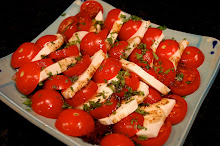
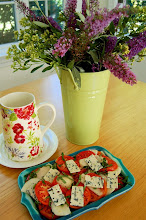
Tomato Pesto and Fresh Mozzarella Salad
3 cups spring mix lettuce
1 lb vine-ripened fresh tomatoes, sliced
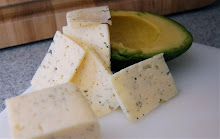
1 lb fresh mozzarella, thinly sliced and quartered
¼ cup balsamic vinaigrette dressing
2 Tbsp pesto

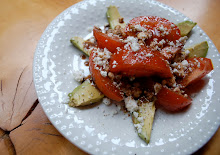
Lay the lettuce as an even bed on a wide plate. Top with overlapping cheese and tomato slices. Mix the pesto with the vinaigrette and pour over salad.

This is a winter version, using pesto. In summer I use fresh basil leaves overlapped with the cheese and tomato instead. Both are fantastic.


Balsamic Vinaigrette
¼ cup Balsamic vinegar
1 Tbsp soy sauce
2 cloves garlic, finely mined
2/3 cup canola oil
1/3 cup olive oil
½ tsp freshly ground black pepper
1 tsp Dijon mustard

Whisk all ingredients together. Makes 1 cup.


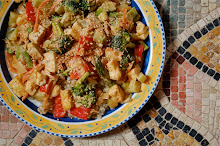
Cauliflower Salad with Olives, Artichokes & Mushrooms
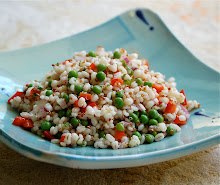
1 head fresh cauliflower, trimmed and cut into bite-sized pieces
1 can California olives, drained
1 cup grape tomatoes
1 jar marinated artichokes, drained and quartered
1 can sliced mushrooms, drained
juice of 1 lemon
¼ cup olive oil
salt and fresh ground pepper to taste

Toss the cauliflower into boiling salted water and cook one minute. Drain cauliflower and submerse in cold water (ice water, ideally) to stop cooking quickly. Drain well. Toss together cauliflower olives, tomatoes, artichokes and mushrooms in a bowl. Whisk lemon juice with olive oil and toss with vegetables. Season with salt and pepper to taste. Toss in fresh, minced cilantro or parsley if desired.


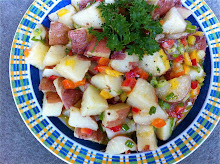
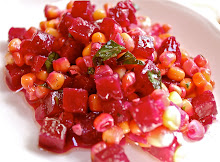
Beet and Corn Salad
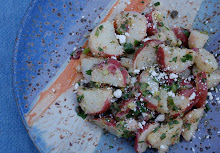
1 can sliced beets, drained and sliced in half
1 can Niblet corn, drained
½ small red Bermuda onion, thinly sliced, or 2 Tbsp chives
¼ cup vinaigrette dressing

Toss all ingredients together and allow to marinate at least 30 minutes.


Vinaigrette Dressing
¼ cup cider or red wine vinegar
1 tsp salt
1 tsp ground black pepper
1 clove garlic minced, or 1 tsp garlic powder
1 tsp dried dill weed
1 rounded Tbsp Dijon mustard
¾ cup canola or olive oil, or a mix of the two

Whisk together the first five ingredients until the salt dissolves. Whisk in the remaining ingredients.

Monday, January 18, 2010

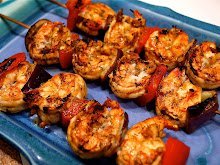
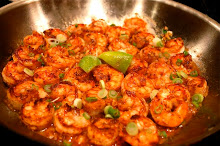
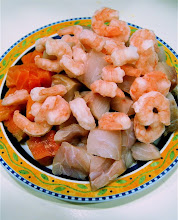
Lime Shrimp Xicohtencatl

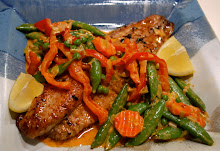
This was inspired by a most fantastic Mexican restaurant in Great Barrington, Massachusetts, where we celebrated Tommy's birthday. The waiter, Aldfredo, described each dish in such enticing detail. I was tempted by their lime shrimp, but opted for the red snapper with a creamy sauce made with fresh Mexican peppers.

I enjoyed the snapper tremendously. And this is what I imagined the shrimp must have been like, seeing it at the table next to us!

1 lb jumbo shrimp, peeled
1 Tbsp ancho chili powder (or regular chili powder)
½ tsp ground cumin
¼ tsp red pepper flakes (or to taste)
freshly ground pepper
½ tsp kosher salt
4 cloves garlic, minced
1 green onion, sliced
1 lime, cut in half

Toss shrimp with chili, cumin, peppers and salt. Heat a large skillet until just smoking hot. Carefully add about 1 Tbsp canola oil and swirl. Toss in shrimp and gently shake pan as shrimp sizzle and spit. After about 2 minutes or when first side has browned nicely, flip each shrimp and then tip in garlic, shaking the pan. Let garlic and second side of shrimp cook another minute or two. Squeeze in juice of half the lime. Slice the remaining lime in quarters and serve alongside shrimp.

Serves four.

Thursday, January 14, 2010

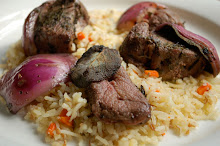
Mustard Rubbed Pork Tenderloin with Mushrooms and Sundried Tomatoes

1 Tbsp mustard seeds
1 tsp crushed dried thyme
½ tsp dried rosemary
1 Tbsp dried onion flakes
1 Tbsp minced garlic (about 4 cloves)
¼ tsp dried crushed red pepper flakes
2 Tsp Kosher salt
1 tsp fresh ground pepper (I like peppercorn blend)

2 pork tenderloins
¼ cup sundried tomatoes, chopped
10 oz button mushrooms, cleaned
4 cloves garlic, sliced
1/2 cup dry white wine

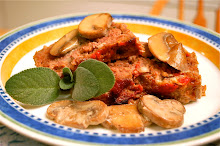
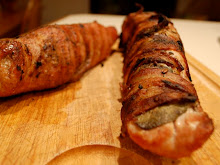
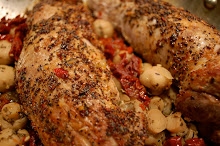
Preheat oven t0 375F. Quarter mushrooms if large, otherwise leave small ones whole. Rub tenderloins evenly with rub mix and allow flavor to infuse for 1-24 hours, refrigerated. Bring tenderloins to room temperature. Sear tenderloins in a large oven-going skillet over very high heat with a bit of canola oil, turning loins to brown on all sides, about 10 minutes total. Remove temporarily to a plate. Toss the mushrooms, sundried tomatoes and garlic into pan and sauté until mushrooms give off their water and dry up a bit. Return the tenderloins to the pan, and insert digital thermometer probe into middle of one tenderloin.

Transfer skillet to the oven and bake until thermometer reads 130. Remove tenderloins to a cutting board and cover with aluminum foil to let rest 10 minutes. Add wine to mushrooms and tomatoes and bring to a boil. Slice pork and serve with mushrooms and tomato ragout.

Tuesday, January 12, 2010

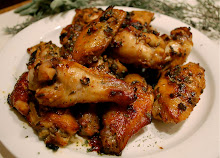
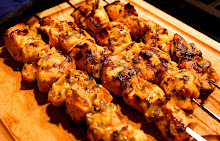
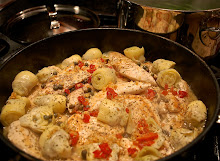
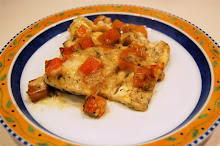
Chicken Tenderloins with Artichoke, Capers and White Wine

15-18 chicken breast tenderloins
24 whole baby artichokes, brined and drained (jarred or canned)
4 cloves garlic, minced
¾ cup dry white wine
1 rounded Tbsp capers
1 rounded Tbsp sundried tomatoes, minced
1 tsp herbs de Provence

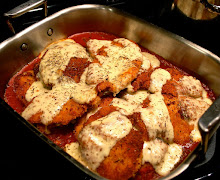
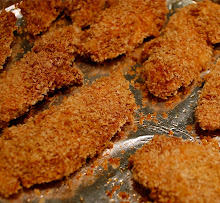
In a large non-stick skillet, sauté the tenderloins in a bit of olive oil until the first side starts to brown, about 3-4 minutes. Add the garlic and cook another minute. Flip the chicken and cook for another 2-3 minutes. Add the wine and remaining ingredients and bring to a boil. Reduce heat and cook to heat everything through.

Serves six.

Saturday, January 9, 2010

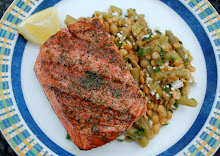
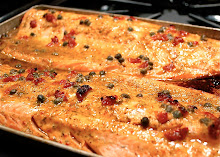
Salmon with Mustard, Capers and Sundried Toatoes

Our friend Lauren loved the way I cooked salmon, mustard and tomato many years ago and she has made the recipe many times since. It never made it into any of the “Cuisine” cookbooks, but it really is very worth trying.

Maille Provencal mustard is slightly pink/orange, with red pepper overtones – very hard to find in USA, but easy in Canada (and France!). I have colleagues from Canada who smuggle it down to me in Connecticut when they visit – a real treat. For the original recipe, favorite of Lauren, substitute the capers and sundried tomatoes for 2 fresh diced, seeded and drained tomatoes.


2 Tbsp Maille Provencal Mustard
1 Tbsp small capers
1/2 tsp dried dill weed
2 Tbsp sundried tomatoes in oil, minced
1 tbsp olive oil
juice of ½ lime
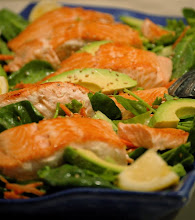
1½ lb salmon fillets

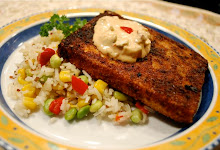
Preheat oven to 400F. Mix together all ingredients except the salmon in a bowl. Place the salmon on an oven-going shallow roasting pan. Spread the mustard sauce evenly over the salmon. Roast fish in oven for 10 minutes per inch of salmon.

This is also excellent on Steelhead Trout, Mahi Mahi or other stronger-flavored fish.

Wednesday, January 6, 2010

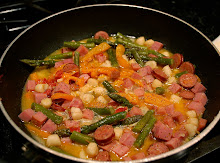
Scallops with Ham, Andouille & Asparagus

½ lb ham steak cut into ¼-inch cubes
¼ lb Andouille sausage, cut into ¼-inch slices
1 lb. asparagus, cut into 1-2 inch spears
1 orange pepper cut into 1-inch spears
2 cloves garlic
1 Tbsp sun-dried tomatoes, chopped
1 lb. bay scallops (frozen is fine)
3 Tbsp butter

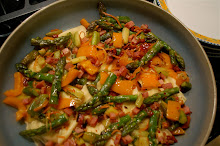
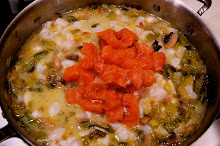
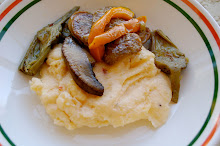
In a large non-stick skillet, sauté the ham, Andouille, peppers, asparagus, garlic and tomatoes in a bit of olive oil. Cook until the asparagus just begins to soften. Salt and pepper to taste. Add the scallops and butter and cook until the scallops are cooked through, about 4-5 minutes. Serve over rice or creamy polenta or grits. Serves 4-6

Friday, January 1, 2010

Start the New Year with Flare

Didn't Julia Child say "Save the livers!"?

Or am I only remembering a satirical Saturday Night Live episode (http://www.hulu.com/watch/3523/saturday-night-live-the-french-chef)?

W
hen someone gives you Cognac - flambé! My Father-in-law gave us a nice bottle of Cognac for Christmas and I think Cognac is fine as a drink, but I think it is even better in a paté or a nice prime rib jus. It is a must in coq au vin and is excellent in fruit salads. Start the New Year with a flare - uh... carefully.

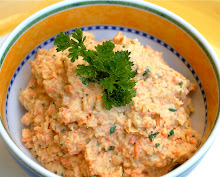
Paté with Apples and Cognac
½ stick butter
2 Tbsp olive oil
1½ lb chicken livers
1 onion, finely diced
1 apple, finely diced
2 cloves garlic, minced
1/3 cup Cognac
¼ cup cream

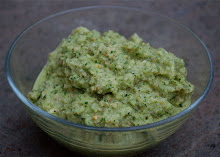
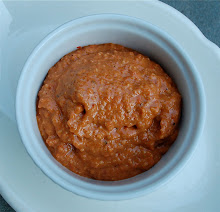
Sauté the livers in half the butter and half the oil until just cooked through, turning often. Meanwhile in a separate skillet, sauté the onion and apple in the remaining butter and oil until golden and starting to caramelize. Add the garlic and cook another 2-3 minutes. Remove apple mixture from heat and carefully add the cognac. Very carefully ignite to flambé the Cognac in the pan, allowing the flames to burn out. Tip the livers, apples and cream into a food processor and add a bit of salt to taste (about ½ tsp). Purée very well until very creamy, scraping down the sides of the bowl often. Transfer to a bowl and allow to cool at least 2 hours in the refrigerator, until firm.

Thursday, December 31, 2009

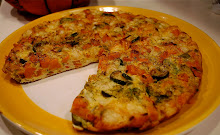
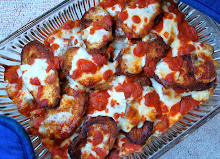
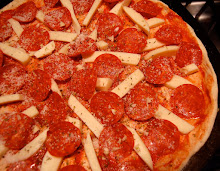
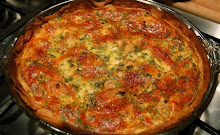
New Year's Eve Pizza

For years now our family has had a New Year’s tradition of congregating at Thierry and Julie’s, our brother and sister in law in Montpellier, Vermont, for a few days of skiing, reunion, skiing, snowballing, skiing, sledding, skiing singing, and lots and lots of cooking. Home of the New England Culinary Institute, there was plenty of good cooking vibes in the air, which we flavored with smoke from the pizza oven Thierry built in his driveway.

On New Year’s Eve, Chef Peter – now crafting specialty flavors for an ice cream concern in the area – would be responsible for pounds and pounds of dough, while I worked with numerous brothers in law to dress the pizza rounds Peter would toss us. With dozens of toppings we created untold new varieties of pizza each year. We prepared the pizzas in the garage with both doors opened (no matter the temperature!) on a ping-pong table – the only surface big enough for the job. We’d then transfer the prepped doughs to Thierry’s pizza peel for delivery to the oven outside. There he would cook them, holding court in the driveway as friends and neighbors poured in to enjoy fresh hot cooked pizza on blistering cold Vermont first nights. On our best night we cooked over 60 pizzas!

All year long this inspired me to cook pizza, and Friday nights became pizza night for many, many years in our family. We first used a bread making machine to prep the dough, but then found that a great dough can be made by hand or with a Kitchen Aid mixer very, very quickly.


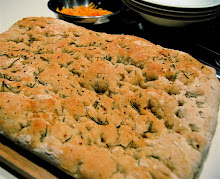
There is no end to the variety of pizzas you can come up with, with or without red sauce, and we even invented interesting desert pizzas. Here’s a start with a simple dough recipe, that I often spice up with a tablespoon or so of dried diced onion, or minced garlic or a teaspoon of dried herbes du Povence – or all of the above! The only advice I’ll give is to keep the amount of sauce under control, cook at high heat (at least 450F) and either use a pizza stone (I usually don’t) or a pizza pan with large holes throughout the bottom – this is my favorite for a nice browned crust.

Pizza Dough
4 cups bread flour
2 tsp salt
2 tsp sugar
2 tsp breadmaker granulated active dry yeast
1½ cup very warm water (about 105F)
1 Tbsp olive oil

In a mixer fitted with a dough hook and set on medium, mix together the first four ingredients (and any herbs you night wish to add). Add the water and then the olive oil. Allow the dough to form a ball that has taken up all the flour. At that point, knead on medium-slow speed for 5 minutes. Place 1-tablespoon olive oil in a large bowl. Form dough into a ball and turn into the bowl. Roll dough ball around to assure all surfaces are coated and cover bowl with plastic wrap. Let sit about 2 hours in the kitchen. I don’t find that a ‘warm, dry’ spot is necessarily needed. I have never had a problem simply placing the bowl on the counter top and walking away – and we live in New England! Makes enough dough for two 14-inch large pizzas.

Friday, December 25, 2009

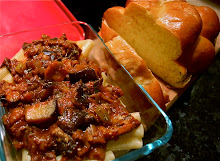
Comfort Stews to Warm the Holiday

Christmas holidays are a time for comfort food and beef stew fits that bill – especially after a long winter walk or on returning from a day of skiing. A slow-cooker simmering after a hard day’s work or play can be a welcome friend as the door swings opened and the fragrance sweeps over tired bones. But sometimes stews are better done in a Dutch Oven, or as the French call a Daube, under a watchful eye. Here are stews appropriate for both a Daube and slow cooker. Choose your tool and warm your soul.

Beef Stew with Barley, Sage, Rosemary and Wine
2 lbs beef chuck roast, cut into 1½ inch pieces
2 onions, sliced
1 lb carrots, peeled and cut into 2-inch pieces
6 fresh sage leaves
1 Tbsp fresh rosemary
1 can diced tomatoes
¼ cup pearl barley
1½ cup red wine
1½ cup white wine
2 small cans mushrooms

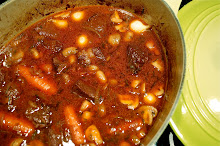
In a Dutch oven or large heavy pot, sear the beef over medium-high heat in a bit of canola oil. Cook beef in at least 2 batches, browning well. Set meat aside.

In same Dutch oven sauté onions until onions are softened and golden, about 5 minutes. Add the sage and rosemary for the last minute. Set onions aside with the beef. Then in the same Dutch oven brown the carrots for about 5 minutes, until just beginning to caramelize. Set carrots aside on their own. Return the beef and onions to the Dutch oven along with the remaining ingredients. Salt and pepper to taste. Bring to a boil, then cover and reduce to a simmer. Braise for 1½ to 2 hours covered. Add the carrots and cook another half hour.

Crock-Pot alternative: for those of us who want great meals but sometimes can’t be around to watch them simmer, a crock pot is a fantastic alternative to a Dutch oven. Carry on as for the Dutch oven, but after browning everything, return the beef, onions and carrots and all the remaining ingredients to the Crock-Pot. Cook covered on low for 6 to 8 hours. The only difference with the Crock-Pot is that the carrots will be slightly softer – just make sure they are not cut too small. The worst mistake you can make with a Crock-Pot is not to brown the meat and vegetables beforehand – browning caramelizes and brings out a depth of flavor which braising on its own simply cannot.

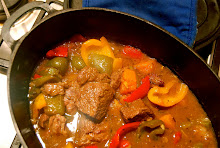
Gingered Beef and Ale Stew with Apple, Sweet Potato and Peppers
I would advise against an unattended Crock-Pot for this recipe as the peppers and the sweet potato are too delicate for very long (6-8 hour) cooking. If you will be around, then you could cook the meat and onions in a Crock-Pot for 2 to 3 hours, then add the potatoes and peppers and cook another hour or two.

2 lbs beef chuck roast, cut into 1½ inch pieces
2 onions, finely diced
6 cloves garlic, minced
1-inch piece fresh ginger, minced
1 tsp fresh rosemary
1 bottle beer – your favorite
1 large apple, peeled, cored and diced
1 large sweet potato, peeled and cut into course 1½-inch chunks
1 red pepper, cut into 1½-inch pieces
1 yellow pepper, cut into 1½-inch pieces
1 green pepper, cut into 1½-inch pieces

In a Dutch oven or large heavy pot, sear the beef over medium-high heat in a bit of canola oil. Cook beef in at least 2 batches, browning well. Set meat aside.

In same Dutch oven sauté onions until onions are softened and golden, about 5 minutes. Add the garlic, ginger and rosemary for the last two minutes. Set the onions aside with the beef. In the same Dutch Oven, sauté the onions in a bit of olive oil over medium for about 4 to 5 minutes, until just beginning to brown. Set the peppers aside on their own. Return the beef and all accumulated juices back to the Dutch oven and add the beer and the apple. Salt and pepper to taste. Bring to a boil, then cover and reduce to a simmer. Braise for 1½ to 2 hours covered. Stir the potatoes and the peppers into the stew and cook another half hour.

Thursday, December 24, 2009

Two Roasted Chickens, and a Partridge in a Pear Tree


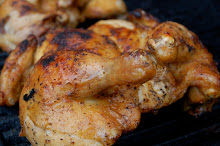
One of my favorite chefs Nigel Slater, says that anyone who can brew coffee can roast a chicken. I agree with him that there is no excuse for not feeding yourself well if you want to. If you don’t that’s another story, but lack of experience is no excuse. Roasting a chicken is easy and ever so rewarding with its aroma pervading the household. Roasted chicken is the ultimate comfort food and goes on giving – especially if you use the leftovers, bones and juices to make soup.

Growing up in a French household we continued the French tradition of the Reveillon every Christmas Eve. We would return from midnight mass in a sleepy trance-like state, subdues by beautiful Christmas music and soft candle light. Our mother would have roasted 2 chickens earlier Christmas Eve, and let them cool for us to eat upon our return from service. After a light midnight snack of cold roasted chicken and Champagne, all six sleepy kids were whisked off to bed while my parents tended to Christmas present duties.

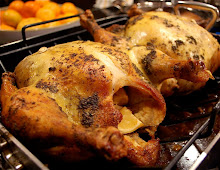
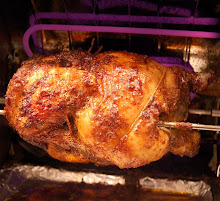
Herb Roasted Chicken
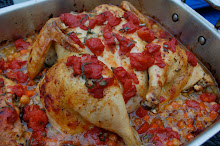
You can use whatever herbs you like – I dry mine from the garden and use them all winter. The important aspect of this recipe is the butter smear, which melts into the roasting vegetables below the chicken. These vegetables brown to produce the most rich, satisfying sauce (or jus) you have ever tasted. For this hungry family I always roast 2 chickens now - and have plenty of leftovers for soups and casseroles.

½ stick butter, room temperature
3 dried sage leaves
1 tsp dried oregano
1 tsp dried rosemary
1 tsp dried mint

1 large onion, diced
2 stalks celery, diced
1 carrot, peeled and finely diced
4 cloves garlic, sliced

1 roasting chicken, cleaned and patted dry
1 lemon, quartered
1 cup dry white wine

Preheat oven to 400F. Combine butter and herbs in a small food processor and blend well. Scatter vegetables evenly across an oiled roasting pan. Place chicken on a rack and put on top of vegetables. Make sure paper sack with neck and gizzards is removed from body cavity, and then make sure chicken is really dry. Smear butter evenly all over chicken then sprinkle generously with kosher salt and freshly ground pepper. Stuff lemon inside chicken.

Roast chicken uncovered for half an hour. Pour wine into roasting pan, cover chicken, and reduce heat to 350. Continue roasting until chicken juices run clear when meat is pierced with a sharp object – when the meat reaches about 165F. Baste chicken from time to time with pan juices. If too much has evaporated to baste, add a little water to pan.

When cooked, let chicken rest for at least 15 minutes covered in roasting pan on the counter. Remove chicken from pan, allowing all juices to drip into pan. Carve and return any more accumulated juices back into roasting pan.

Meanwhile for sauce, heat roasting pan on the stove, stirring up all the fine brown bits and roasted vegetables. Adjust liquid to taste – adding a bit of water, if sauce is too strong. Strain sauce and separate fat (I use a spouted fat separator – very convenient). Serve defatted sauce alongside roasted chicken.